
Software, Apps & Security Review
How Can AI character chat Create Memorable Virtual Moments?
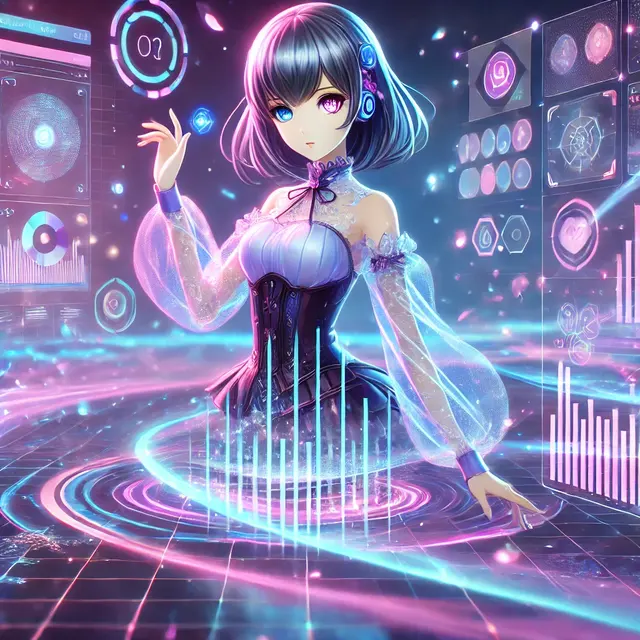
AI character chat creates memorable virtual moments by combining personalization, long-term memory, emotional responses, and interactive storytelling. In 2024, AI companion platforms attracted millions of users worldwide, while studies in human-computer interaction showed that personalized digital agents can increase user engagement by more than 30% compared with generic chat systems. The strongest AI characters are remembered because conversations feel personal, continuous, and shaped by each user's choices.
AI character chat has changed digital interaction from one-way content consumption into an ongoing conversation. Traditional games, films, and novels provide fixed stories, but AI characters can create different experiences based on individual users. A character can respond differently depending on previous conversations, preferred topics, and emotional tone.
For example, a virtual fantasy character may remember that a user enjoys adventure stories, prefers certain personalities, or likes specific conversation styles. After dozens or hundreds of interactions, the character develops a recognizable communication pattern. A 2023 survey of digital companion users found that repeated interaction was one of the main reasons users continued using AI characters over longer periods.
“A memorable virtual moment often comes from a small detail: a character remembering a previous conversation, responding at the right time, or creating a story that feels unique to one user.”
This personalized experience depends heavily on AI memory technology. Early chatbots mainly responded based on the current message and had limited ability to maintain context. Modern large language models introduced after 2020 improved contextual understanding, allowing AI characters to process longer conversations and maintain more consistent personalities.
Memory systems usually separate short-term conversation details from longer-term preferences. Short-term memory helps maintain the current discussion, while long-term memory may store information such as favorite activities, communication preferences, or previous story events. A balanced memory system helps AI characters feel familiar without making every interaction repetitive.
Research published in human-computer interaction fields has shown that users are more likely to describe AI agents as socially meaningful when the systems provide personalized responses. In studies involving hundreds of participants, users reported higher levels of attachment when virtual agents remembered previous interactions compared with agents that restarted every conversation.
The growth of AI character chat is also connected with improvements in natural language processing. Large language models trained on billions of text samples can now generate responses with stronger context awareness, better emotional understanding, and more flexible writing styles.
A 2024 industry report showed that conversational AI applications expanded rapidly, with millions of daily interactions across entertainment, education, and personal assistant services. The improvement is not only about producing correct answers but also about creating conversations that match different personalities and situations.
Personality design determines whether an AI character feels consistent. Users usually remember characters because of their behavior patterns rather than the amount of information they contain. A funny character, a thoughtful companion, or a creative storyteller can create different emotional experiences.
Developers often design AI personalities through several elements:
| Element | Purpose |
|---|---|
| Communication style | Defines vocabulary, tone, and conversation habits |
| Background story | Provides context for role-play and interaction |
| Emotional response patterns | Helps characters react naturally |
| User preference memory | Creates personalized conversations |
A character with a stable personality can become more engaging after repeated interactions. In comparison, a system that changes personality frequently may feel less natural.
Voice and visual technologies have expanded AI character experiences beyond text. Since 2021, improvements in speech synthesis and computer-generated avatars have allowed users to communicate through voice, facial expressions, and animated characters.
Multimodal AI combines text, audio, and images to create richer interactions. A voice assistant with emotional speech patterns can make conversations feel more natural, while animated avatars can provide facial expressions that match the conversation. Some platforms have reported that users spend significantly more time interacting with characters when voice features are available.
“The difference between a simple chatbot and an AI character is often the feeling of interaction. Users expect the character to respond with personality, not only information.”
Emotional interaction has become one of the most discussed areas in AI character development. Many users use AI characters for entertainment, creative writing, role-playing, and companionship. The purpose is usually not to replace human relationships but to provide another form of digital experience.
Different categories of AI characters serve different interests. Some focus on storytelling, some provide educational support, while others explore romantic or adult-oriented conversations. For example, sex ai platforms represent one category where users interact with AI characters through personalized conversations and role-play scenarios.
The increasing popularity of these applications shows that users are interested in customized digital experiences. According to market analysis from 2024, AI companion applications attracted a growing user base among younger adults, with personalization and character quality listed as major reasons for continued use.
However, creating memorable AI experiences also requires responsible design. Privacy protection, user control, and clear communication about AI identity are important considerations. AI characters often process conversation history to improve personalization, so companies need clear data policies.
Users also expect AI characters to maintain appropriate boundaries. A well-designed system should provide engaging conversations while making it clear that the character is an artificial system. Transparency helps users understand the nature of the interaction.
The future development of AI character chat will likely combine stronger memory, improved emotional understanding, realistic avatars, and immersive environments. By 2025 and beyond, many companies are exploring connections between AI characters, virtual worlds, augmented reality, and personalized entertainment.
Future AI characters may become long-term digital companions that participate in storytelling, learning, creativity, and daily communication. The technology will continue improving as developers study how people interact with digital personalities and how small conversation details influence user experiences.
AI character chat creates memorable virtual moments through continuous interaction, personalized responses, and evolving digital personalities. As AI systems become more capable, users will experience virtual characters that feel less like simple software tools and more like interactive partners in digital spaces.
Skip the algorithm. Get the Weekly Watchlist.
74,200 Insiders read it first. Six hand-picked titles, scored across 9 Indian languages, every Friday morning. Editorially curated by humans, never sold to a platform.
Get the Weekly Watchlist